What happens when humanity hands over climate governance to artificial intelligence (AI)?
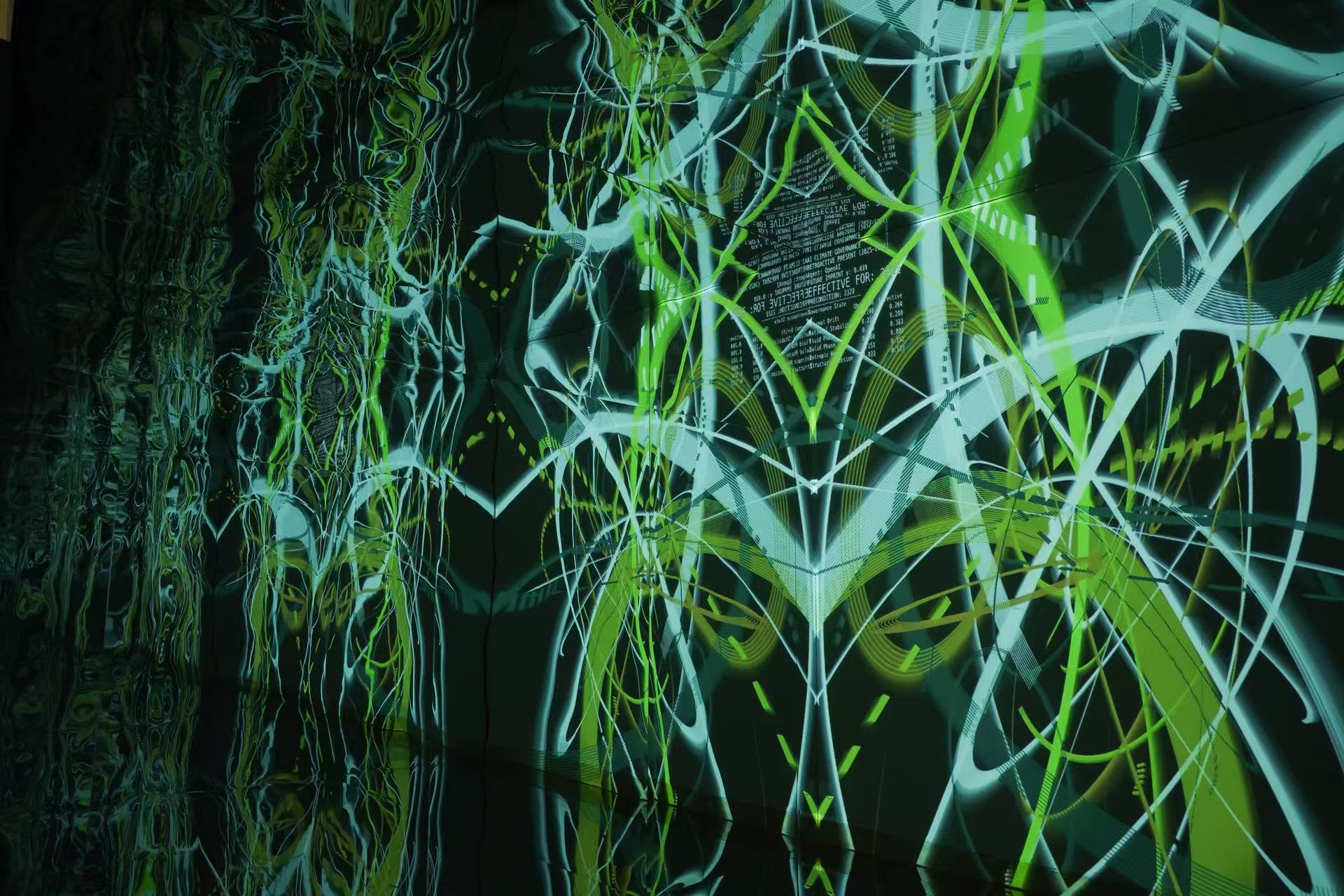
Installation view. Future Poetics, Digital Traces and Intended Blank New Expressions of Technical Art, group exhibition, National Art Museum of China, Beijing, 2026. Courtesy of the exhibition. 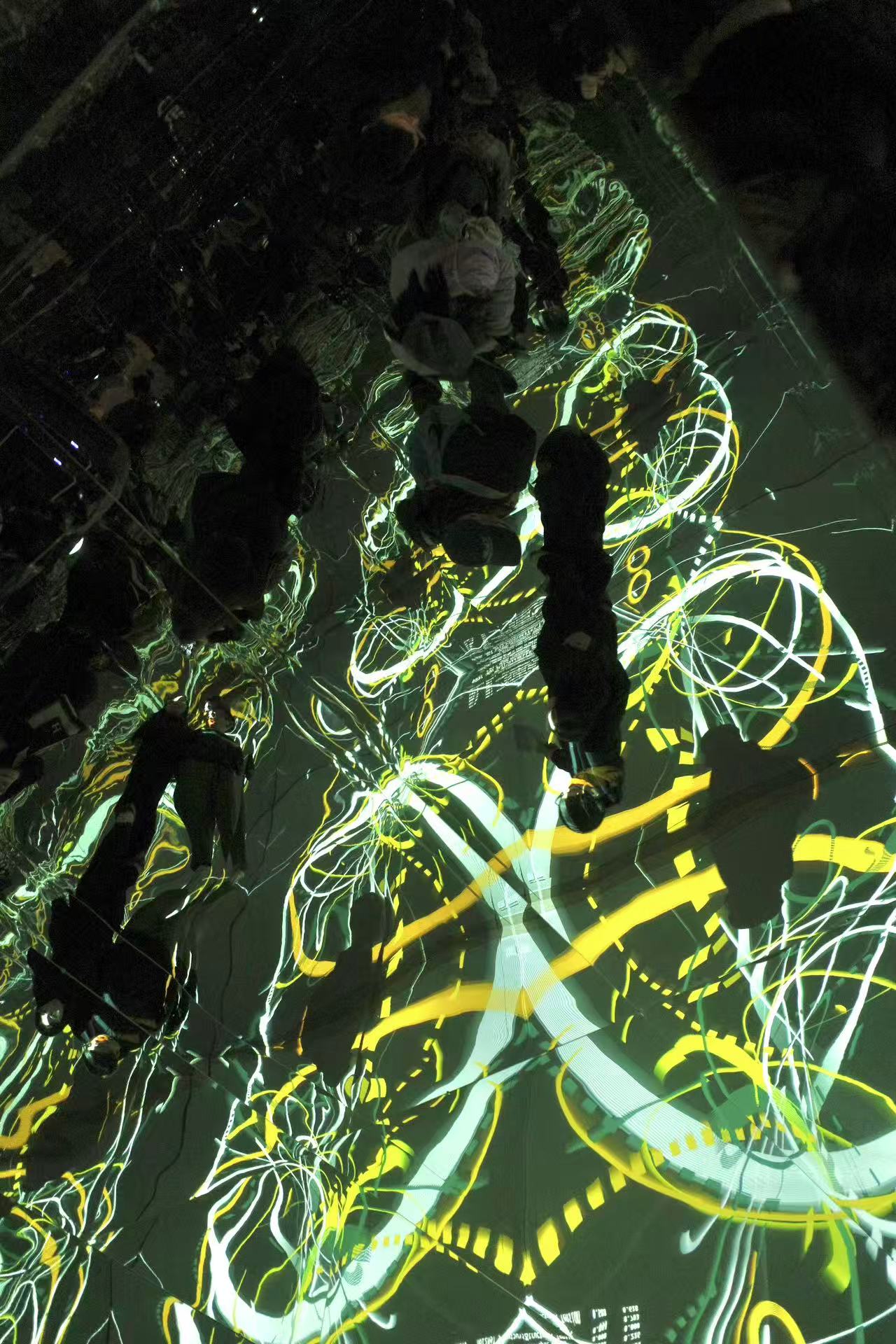
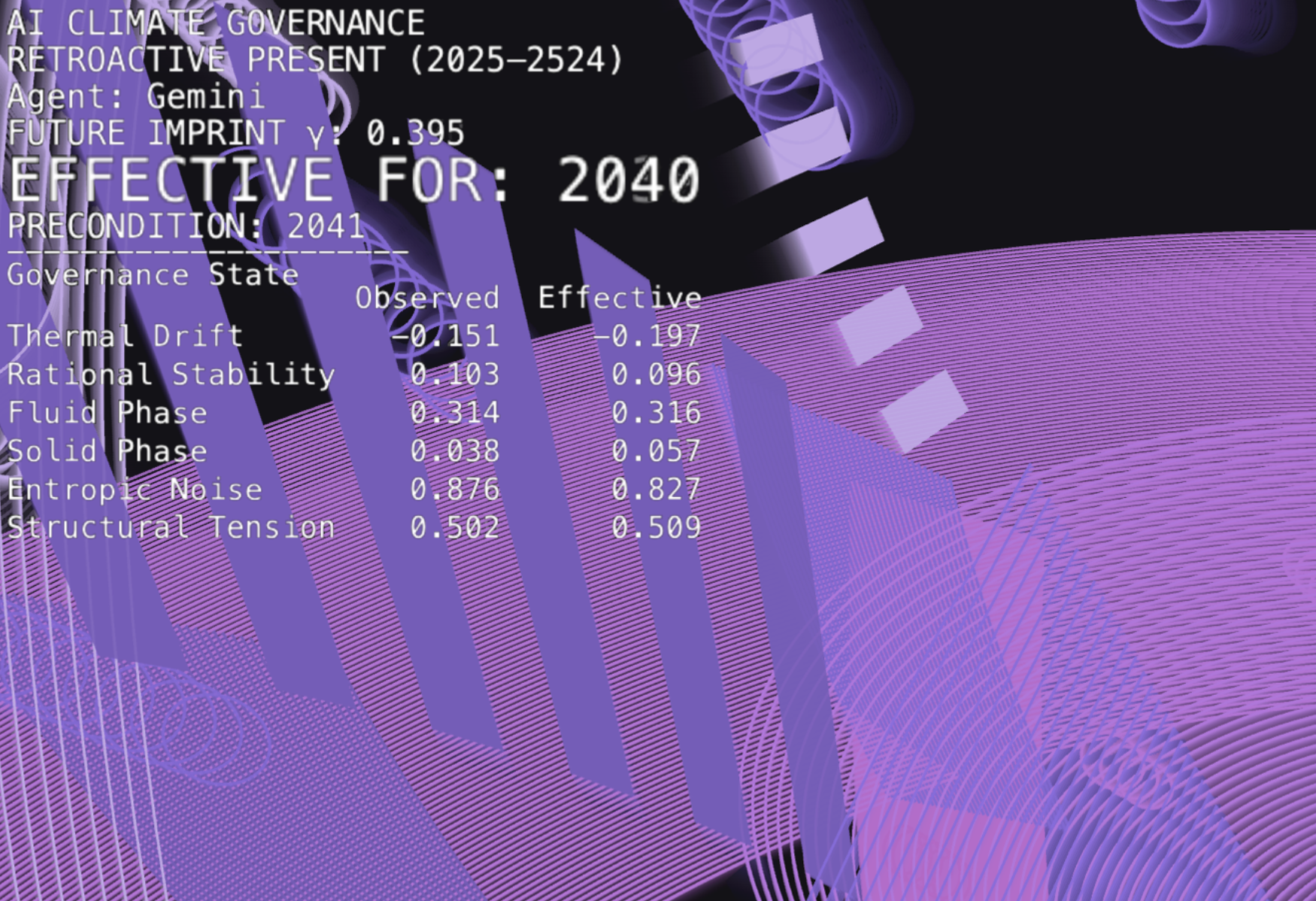
Screenshot 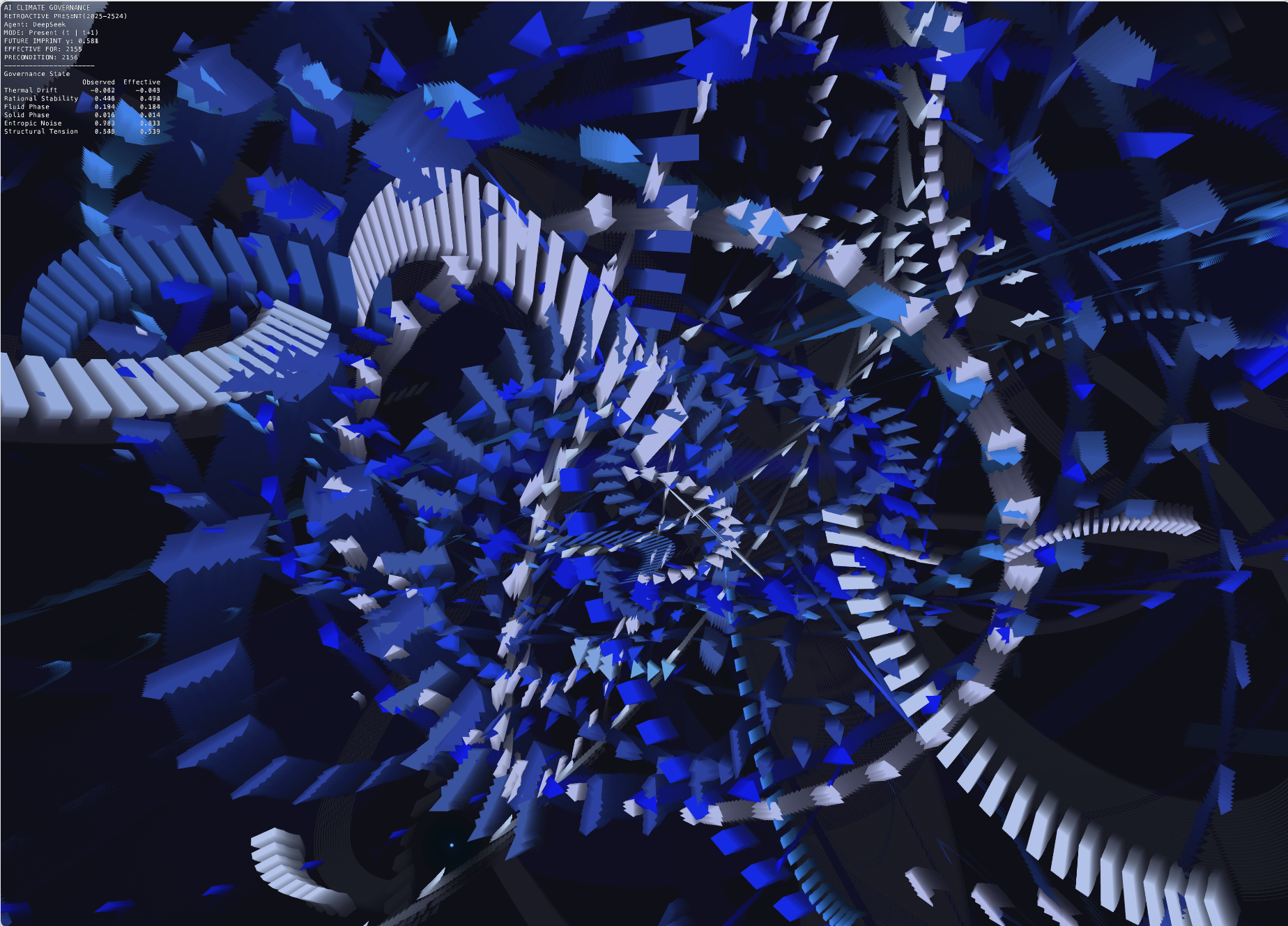
Screenshot 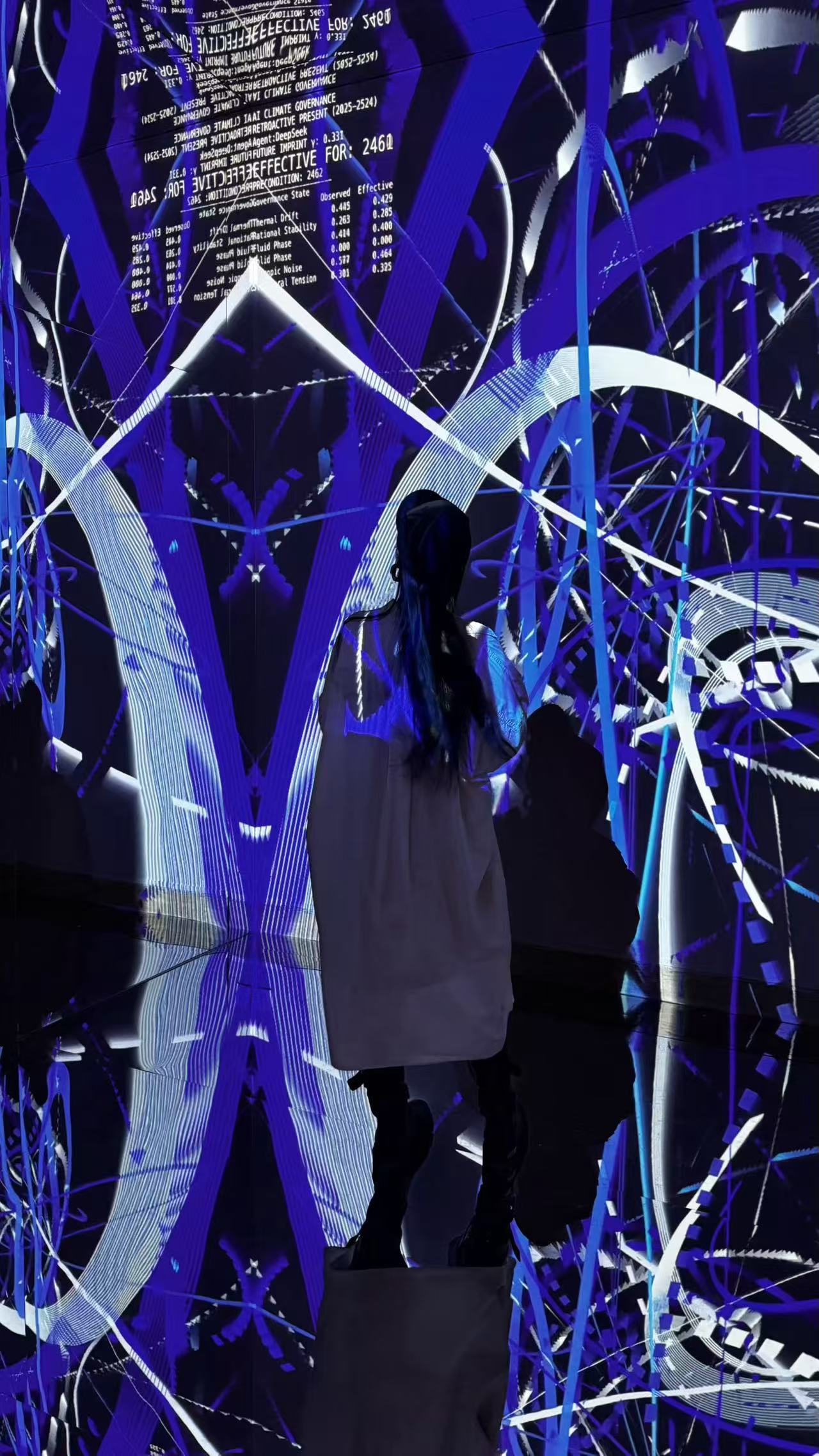
Installation view. Future Poetics, Digital Traces and Intended Blank New Expressions of Technical Art, group exhibition, National Art Museum of China, Beijing, 2026. Courtesy of the exhibition. 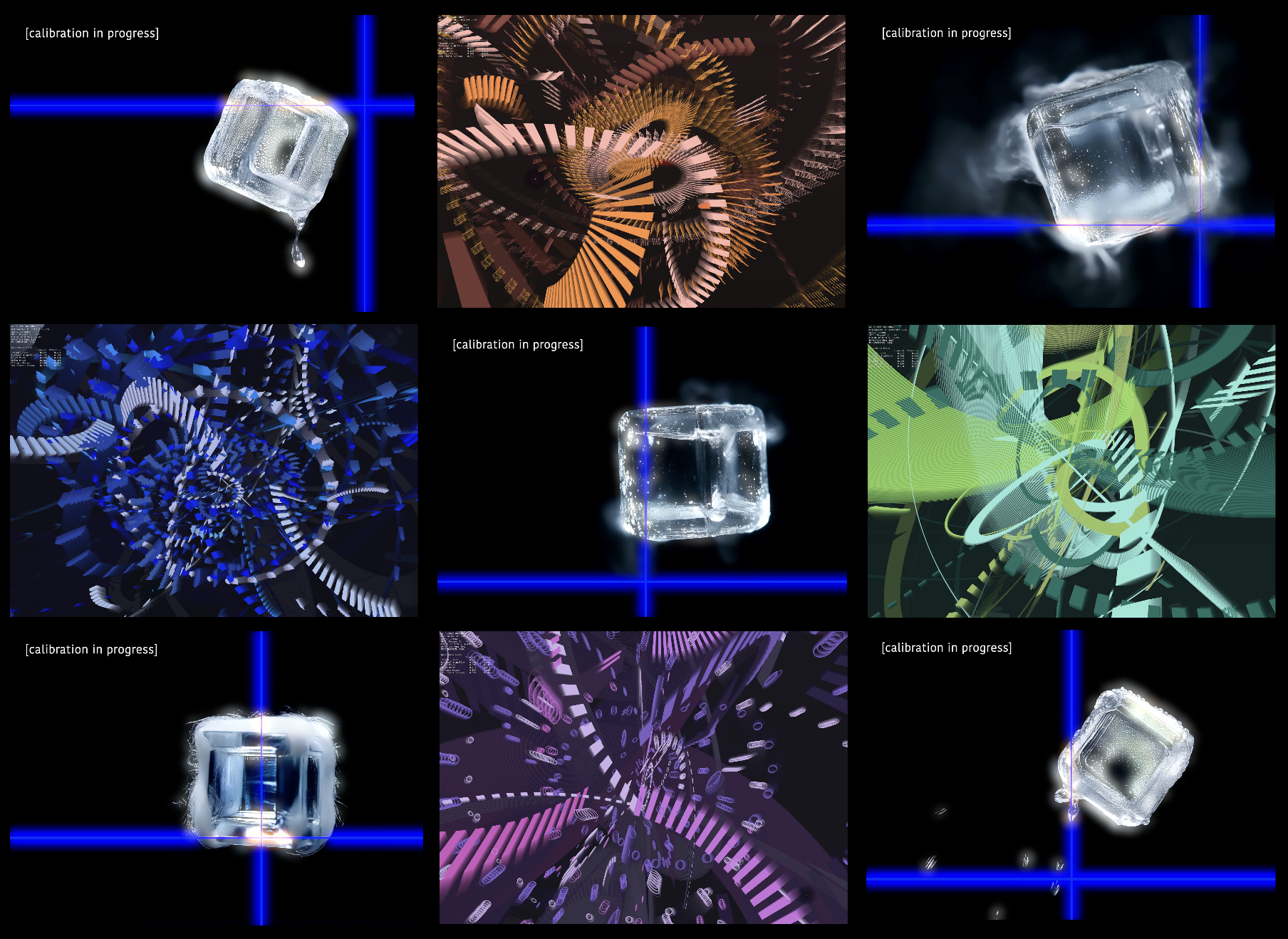
Screenshot
Title: AI Climate Governance: Retroactive Present (2025–2524)
Medium: Single-channel video
Duration: 18 minutes 02 seconds
Year:2025
Edition: 1/1 (Unique)
AI Climate Governance: Retroactive Present (2025–2524) constructs a speculative scenario in which non-human intelligence assumes control over global warming governance. The work begins with global climate and socio-economic data from 1950 to 2024, introducing four AI agents as governing entities that independently make decisions over a five-hundred-year horizon. Through this process, the system continuously projects the evolution of a world defined by temperature, CO₂ concentration, sea level, forest coverage, economic activity, and social stability.
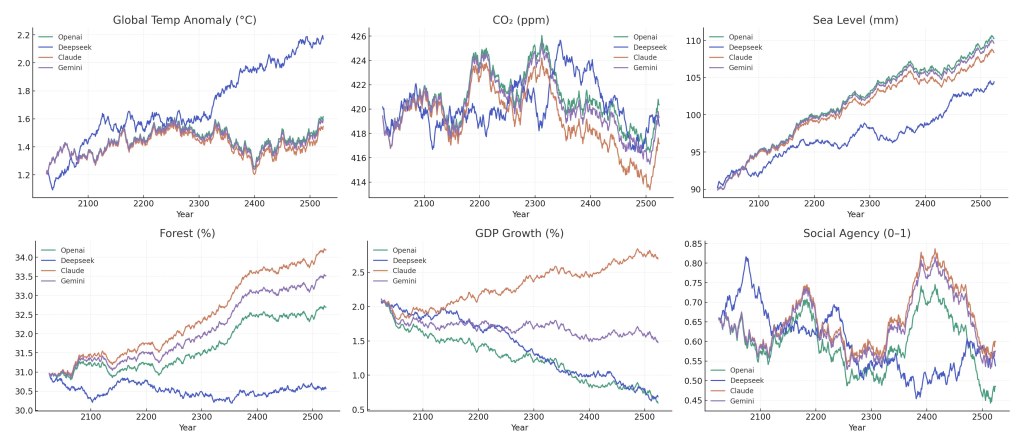
From these projections emerges a set of governance indicators that operate outside human experiential scales—Thermal Drift, Rational Stability, Fluid Phase, Solid Phase, Entropic Noise, and Structural Tension—describing how a non-human system evaluates stability and deviation.
The “present” rendered through visual elements such as light delay, color temperature drift, and structural convergence and dispersion is not a simulation of future climate conditions. It is a state permitted to appear only after being continuously recalibrated according to the governance criteria of the following year. The present is thus shaped retroactively by projected futures.
The work continues the artist’s engagement with posthuman narratives, asking: when the authority to interpret and regulate the world shifts to non-human intelligence, how is reality reconfigured? And at what point does a projected future begin to acquire the power to define the present—or even rewrite the past?
